An Eye-Symptom Diary: Make Your Appointment More Useful
Brief notes about when and where eye discomfort occurs can help you describe it more clearly. A diary is not a tool for diagnosing yourself.
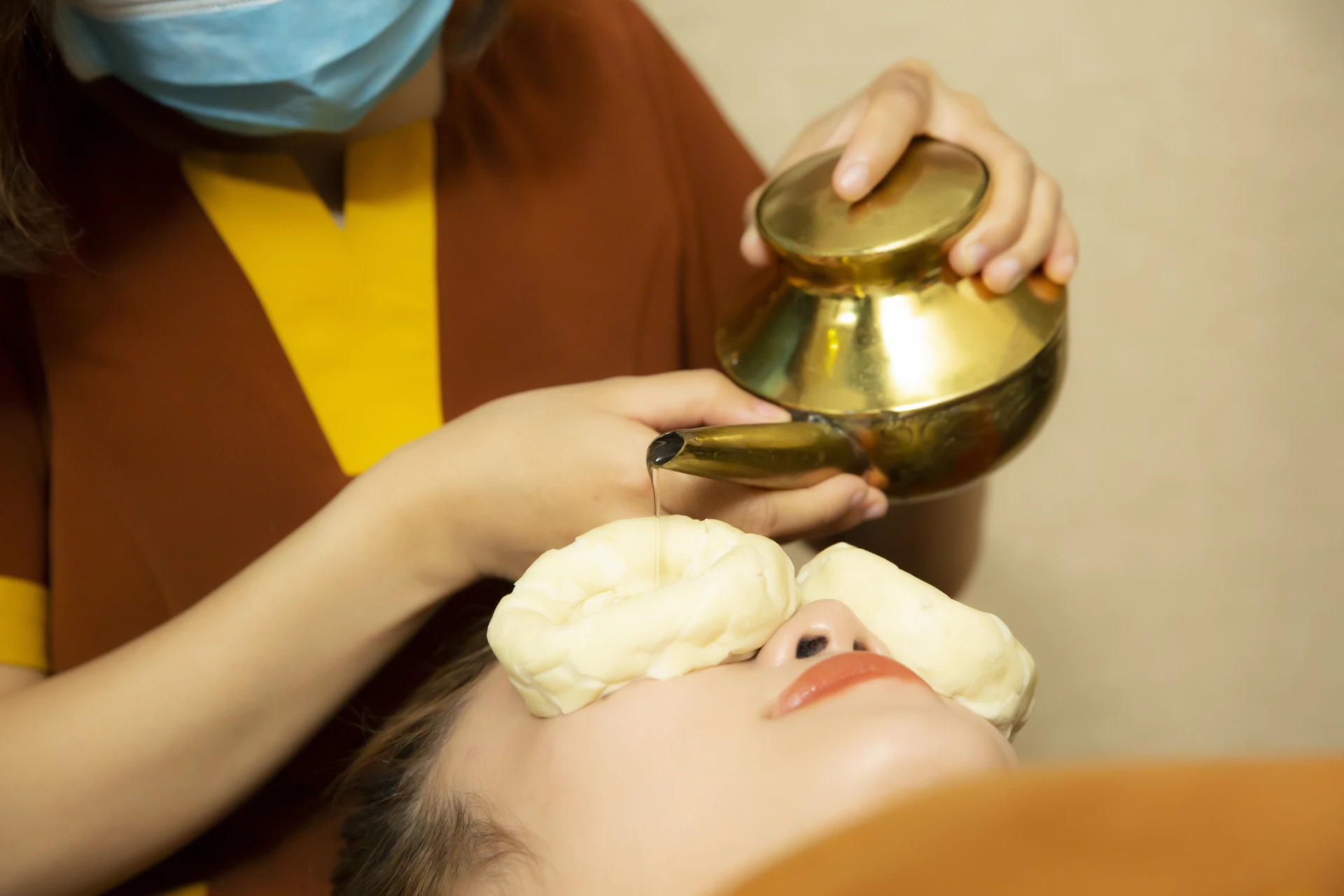
Brief notes about when and where eye discomfort occurs can help you describe it more clearly. A diary is not a tool for diagnosing yourself.
What to consider first
A phrase such as tired eyes all day may hide different sensations: blur, dryness, stinging or pain. Record what you actually notice, the length of close work and whether a break changes it. Avoid repeatedly switching products to identify a cause, as that can make the history harder to interpret.
Practical steps
- Note the onset, specific sensation and whether one or both eyes are affected.
- Record eyewear, products or activities without assigning a diagnosis.
- Bring the notes to an appointment, but do not delay care for sudden or severe symptoms.
One action to take today
Create a short note you can use when needed. Aim for a clear description rather than monitoring so much that it increases anxiety.
Boundaries and safety
A spa ritual is not an eye examination. Eye pain, marked redness, new blurred vision or loss of vision need medical assessment. Never put spa oils or cosmetic products into your eyes.
Talk with Himalaya
If a spa visit fits your plans, explain your preferences, available time and boundaries during consultation. Explore Himalaya services and ask the team about current options before deciding. You do not need to commit to a long session or a package on your first visit.
This content is for general reference only and does not replace medical diagnosis or treatment.
 01
01
 02
02
 03
03
